Las Vegas Premises Liability Lawyers
Hurt on Someone Else’s Property?
Casinos, hotels and resorts run professional risk-management departments whose entire purpose is to close these claims cheaply. They start working the moment you fall. So should you.
What Wins These Cases
“Notice” — the Word Your Whole Claim Turns On
Falling is not enough. The property must have known — or should have known — about the hazard. There are exactly two ways to prove that.
Actual Notice
- A guest reported the spill and nothing happened
- An employee created the hazard themselves
- The repair request sat in a queue for weeks
Constructive Notice
- Dried edges and cart tracks running through the puddle
- The hazard sat in an area on an hourly sweep schedule
- The stairwell light had been out long enough to matter
Every major Las Vegas property is covered in cameras — on a retention cycle. Once the footage rotates, the best evidence in your case is gone. We send preservation demands immediately.
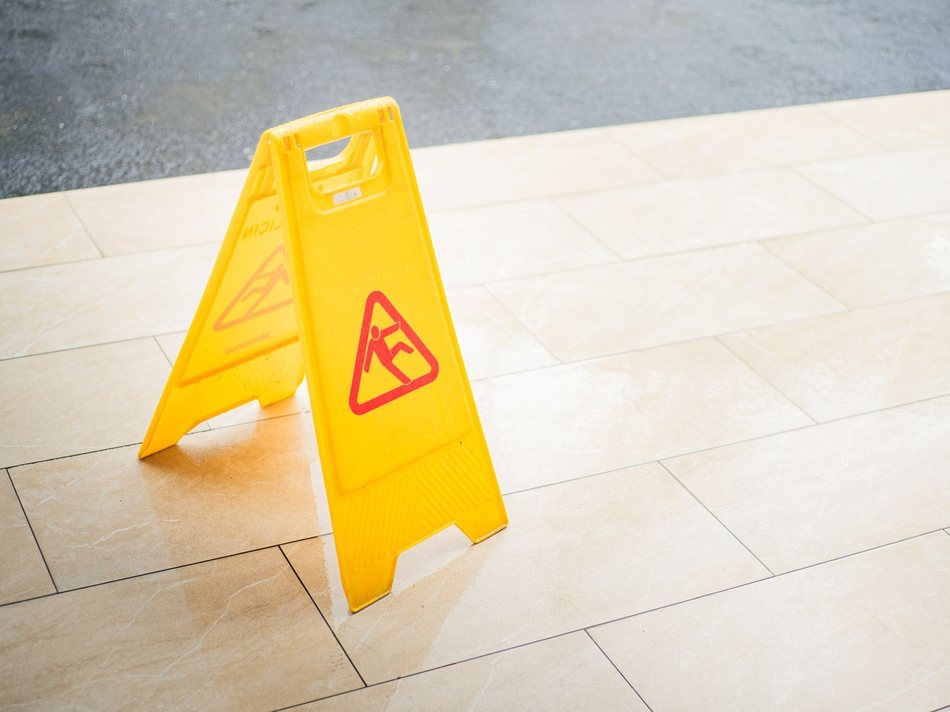
A slip and fall claim is not won by proving you fell. It is won by proving the property owner knew — or should have known — about the hazard and failed to fix it or warn you. Lawyers call that notice, and it is where these cases are made or lost.
Actual vs Constructive Notice
Actual notice means someone reported the spill and nothing happened. Constructive notice means the hazard was there long enough that a reasonably careful business should have found it. A puddle thirty seconds old is usually not enough. A puddle with dried edges and cart tracks through it, in a walkway a porter is supposed to sweep hourly, is a very different story.
Why the First Week Decides the Case
Every major Las Vegas property is covered in cameras. That footage is also on a retention cycle, and once it rotates, the single best piece of evidence in your case is gone forever. Sweep logs, maintenance records and incident reports are similarly perishable. We send preservation demands immediately.
If You Have Just Fallen
- Report it to a manager and insist an incident report is created. Ask for a copy.
- Photograph the hazard before anyone cleans it, plus your shoes and the surrounding area.
- Get names of employees and witnesses.
- Get medical attention promptly, and say clearly how the fall happened.
- Do not give a recorded statement to risk management before speaking with a lawyer.
This page is general information about Nevada law, not legal advice, and reading it does not create an attorney-client relationship. Every case turns on its own facts — call us and we will tell you where yours stands.
Answers
Slip and Fall Injuries — Common Questions
That is the standard opening argument, and Nevada's comparative negligence rule means it matters only up to a point - if you are 50% or less at fault you can still recover, reduced by your share. It is an argument to answer with evidence, not a reason to walk away.
Possibly. Photos help enormously, but they are not the only evidence - surveillance footage, incident reports, sweep logs and witness accounts can all establish the hazard. The sooner someone demands those records, the better your odds.
Immediately, regardless of the two-year filing deadline. Surveillance video is the difference-maker in most premises cases and it is routinely overwritten within weeks.
Don’t Face This Alone. Let Us Fight For You.
Get the compensation you deserve.